

Empowerment lasts longer than aid.
Self-sustainability is one of our greatest goals at Emmanuel Children’s Center. While we work hard to meet the immediate needs of our children, we are equally committed to long-term solutions that empower them to thrive independently. Our hope is that each child grows into adulthood equipped to stand on their own—without creating dependence on outside assistance.
The principle “Give a man a fish and you feed him for a day; teach a man to fish and you feed him for a lifetime” is one we deeply believe in and strive to live out at Emmanuel Children’s Center. We prioritize education and practical life skills that will help our children succeed once they step out into the world.
A key part of this vision is producing our own food. Through agriculture, we can provide food security in a country where the cost of basic supplies has risen more than 300% in recent years. Access to nutritious food continues to become more challenging and costly, making self-sustainability more important than ever.
Of course, this is not a goal we can achieve overnight. We continually work toward becoming more self-sufficient—through solar power, raising our own animals, and harvesting our own crops. With your support, we can equip the children with the animals, tools, and resources needed to make this dream a reality.
Farm Animals
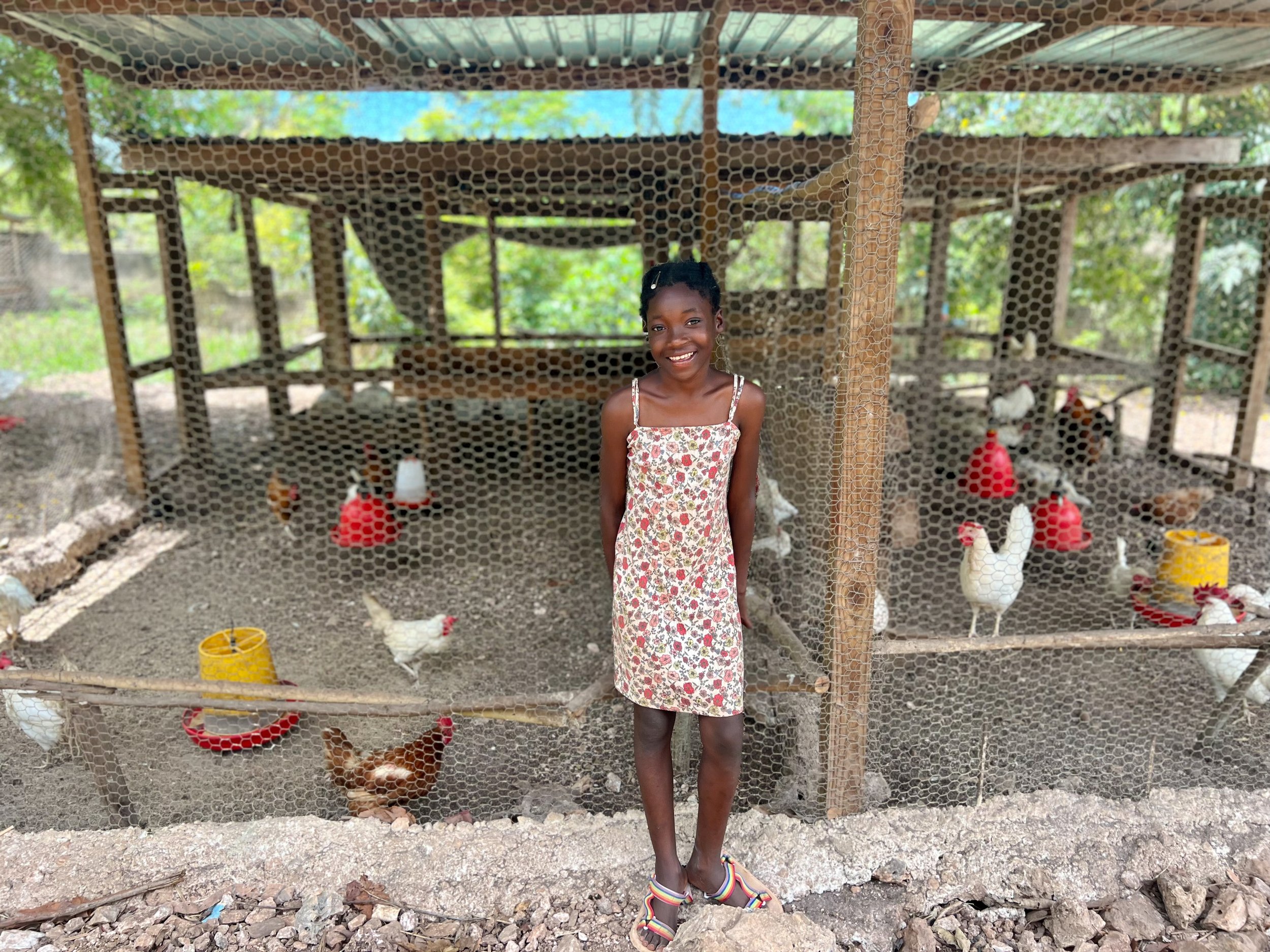
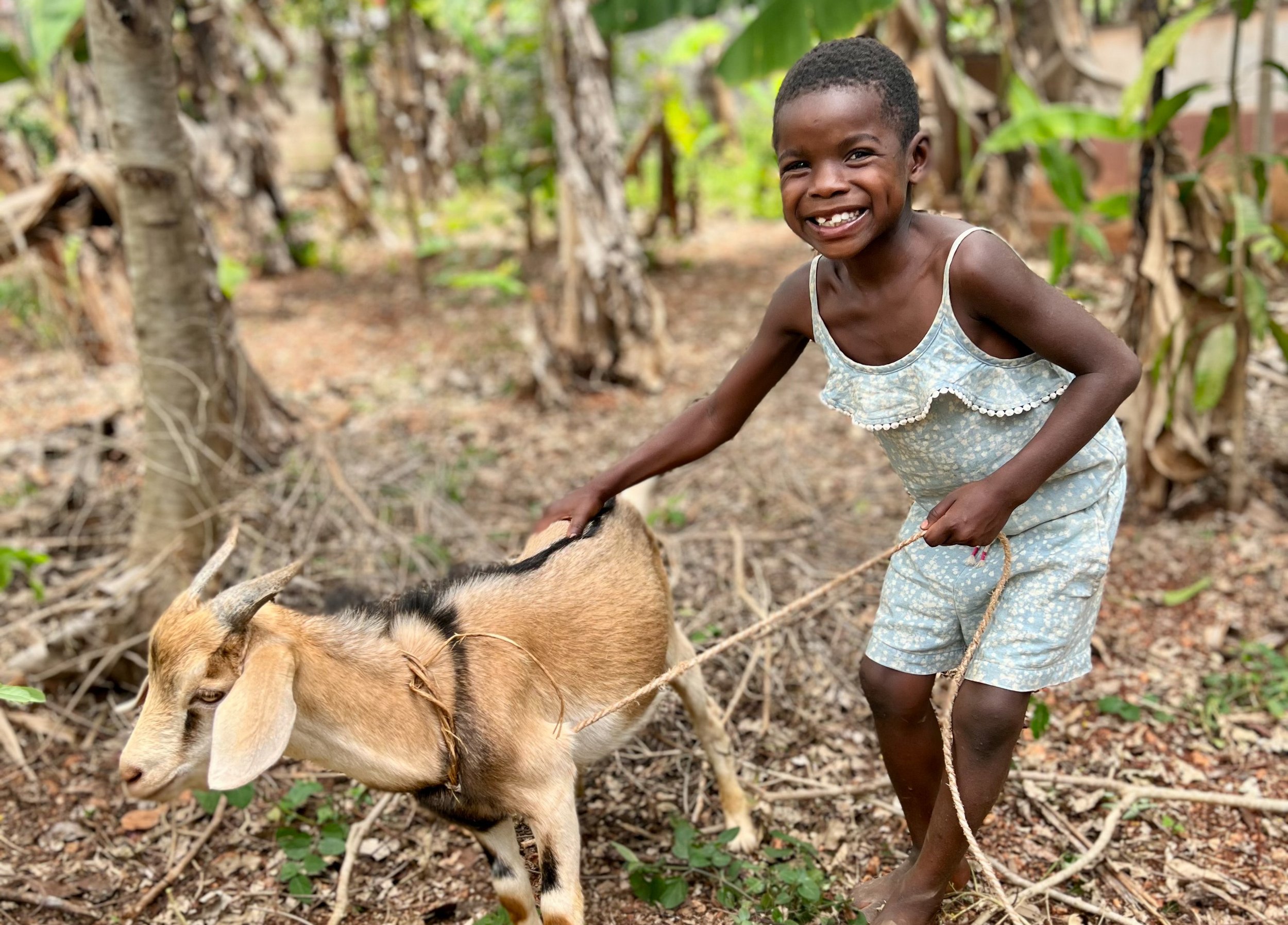
One of our greatest prayers at Emmanuel Children’s Center is to provide the children with food security in the most self-sustainable way possible. Because of our remote location, access to food is extremely limited. We often have to purchase supplies from larger towns hours away and then hire a truck to bring everything to us. With Haiti’s growing instability, finding reliable resources and safe transportation has become increasingly difficult—and costly.
Despite these challenges, the children are blessed to receive three meals a day under our care. Feeding 39 children is not easy or inexpensive, but we are committed to offering well-balanced, nutritious meals that support healthy growth and brain development. Nutritious food comes at a cost, which is why we believe so strongly in raising our own animals—such as chickens and goats—to provide essential protein (milk and eggs) at a fraction of the price.
Hydroponics
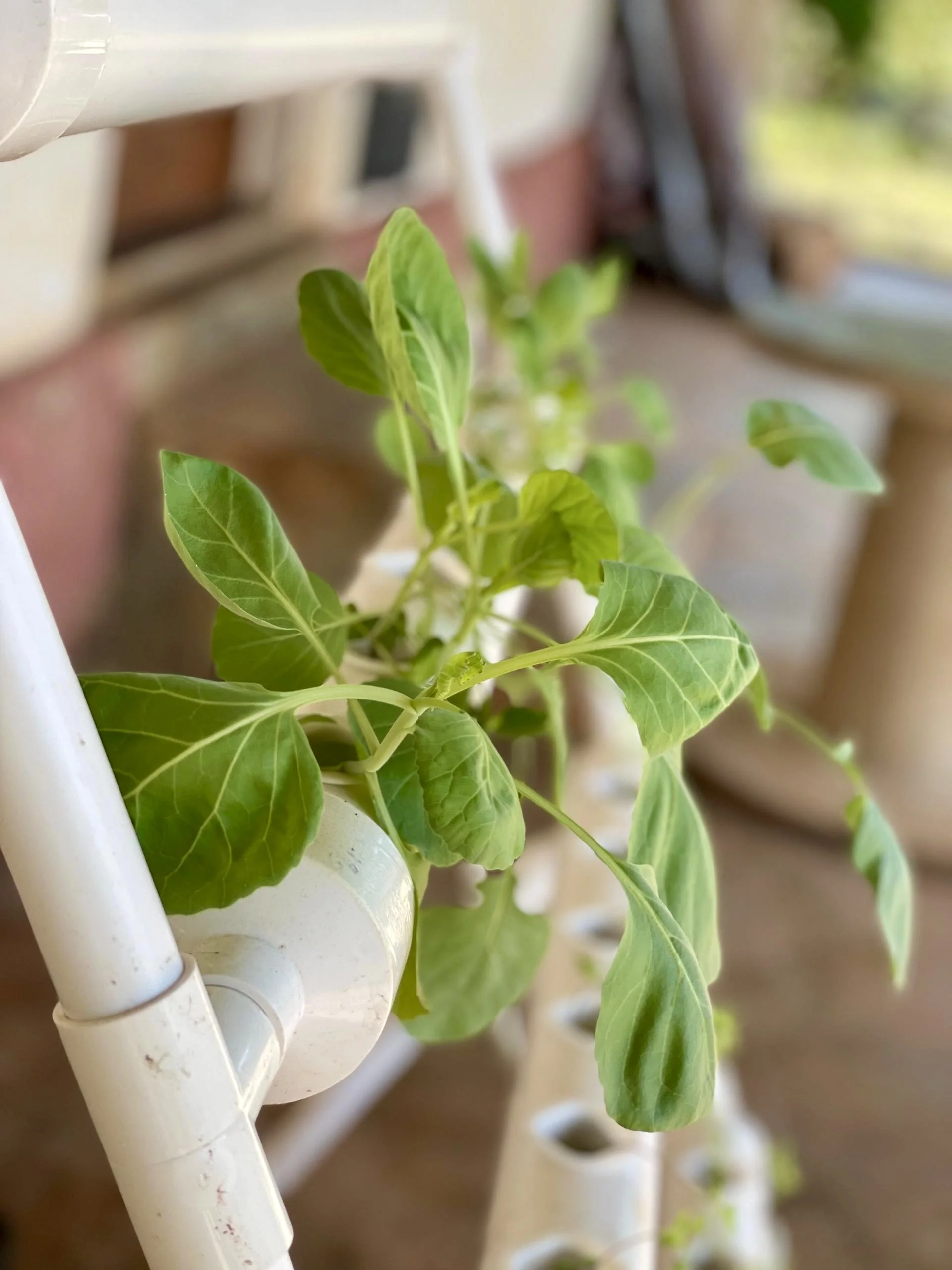
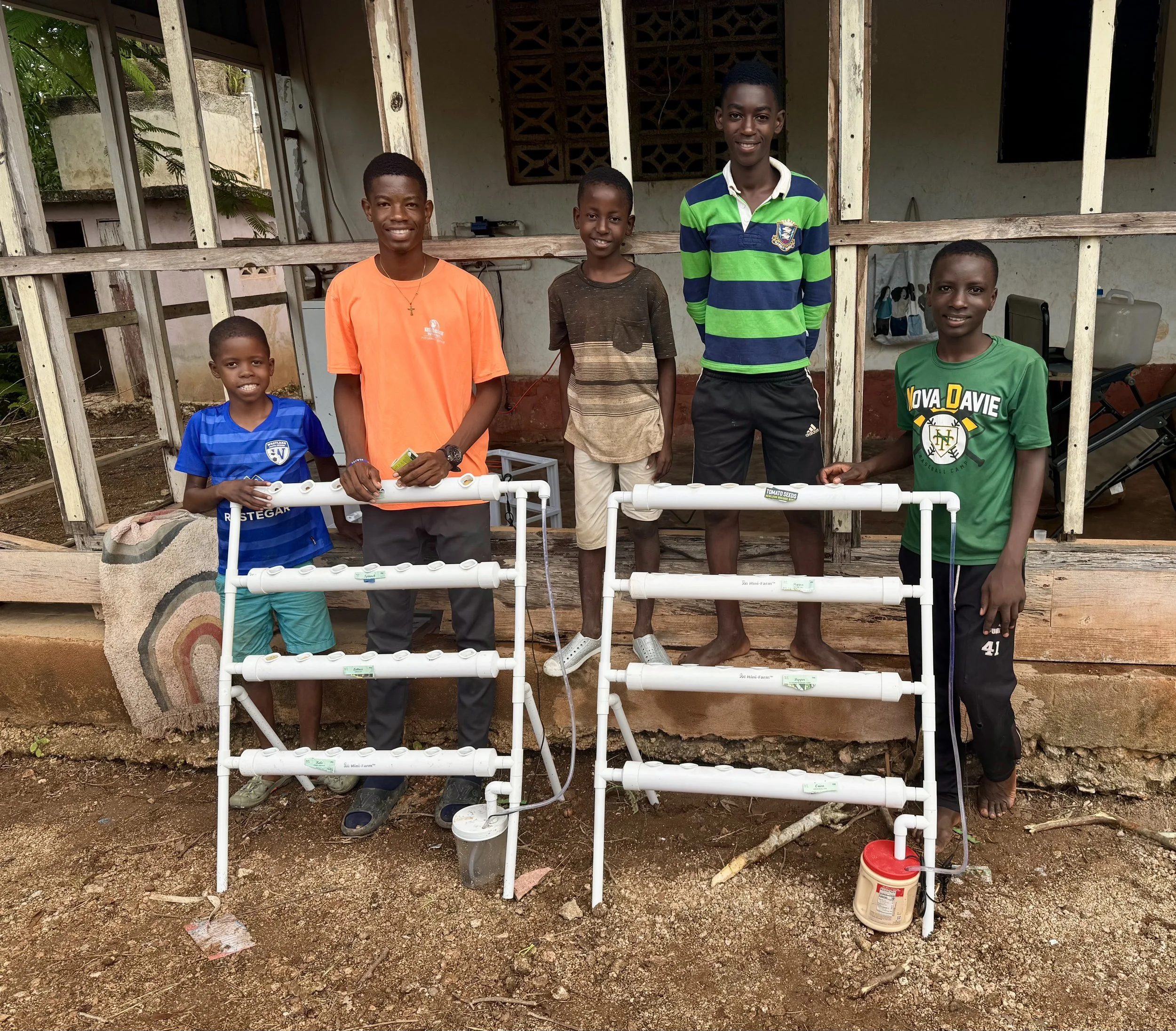
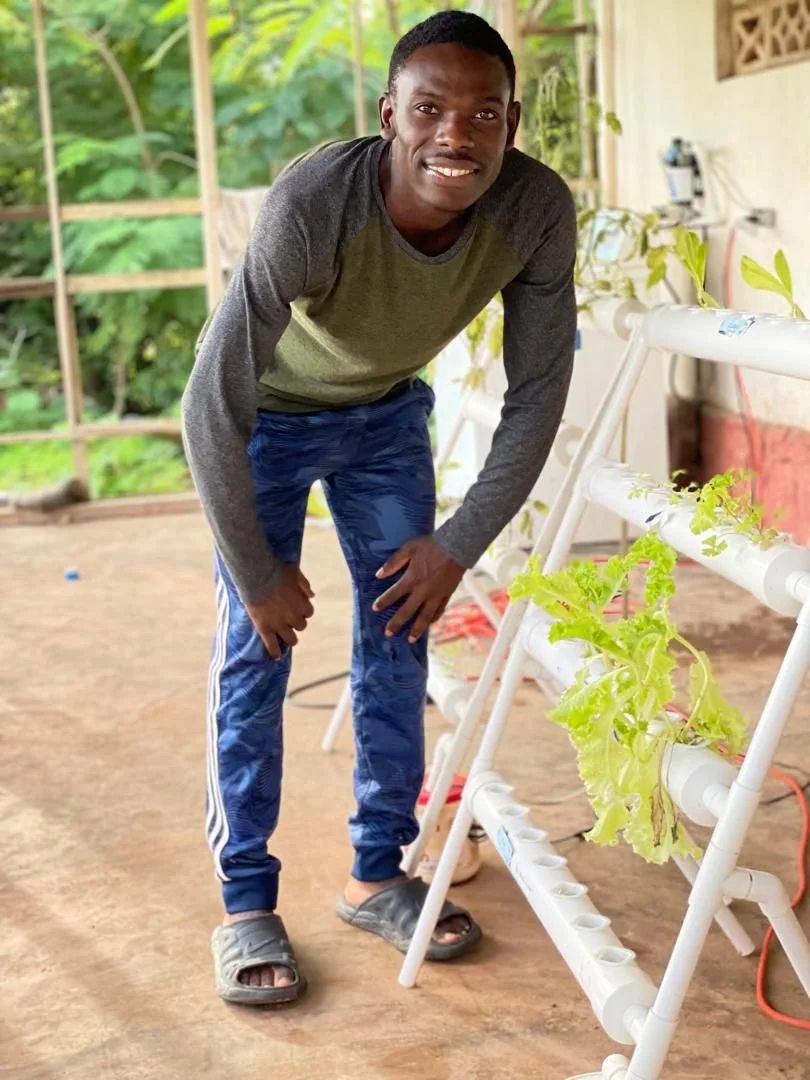
We are very grateful for a longtime friend of the orphanage who gifted us our first hydroponics kit in 2022. This allowed us to begin experimenting with a new approach to self-sustainability, and we are excited to watch our gardens continue to grow. Hydroponics would be revolutionary for our community, as many have never been exposed to this method of producing food.
We have faith that this system has the potential to spark the garden of our dreams—something we’ve struggled to sustain in the past due to harsh weather, poor soil quality, and challenging conditions. In just a couple of weeks, we were able to grow a large tomato plant, lettuce, and herbs. While the upkeep does come with added expenses, such as purchasing formula and foam pods, we are hopeful that even starting the growing process in the hydroponics system and then replanting into the ground will help us increase our overall crop yield.
Our hope is to successfully implement and maintain this system for the orphanage long-term. We welcome any advice or helpful tips to support its continued success.
Agriculture
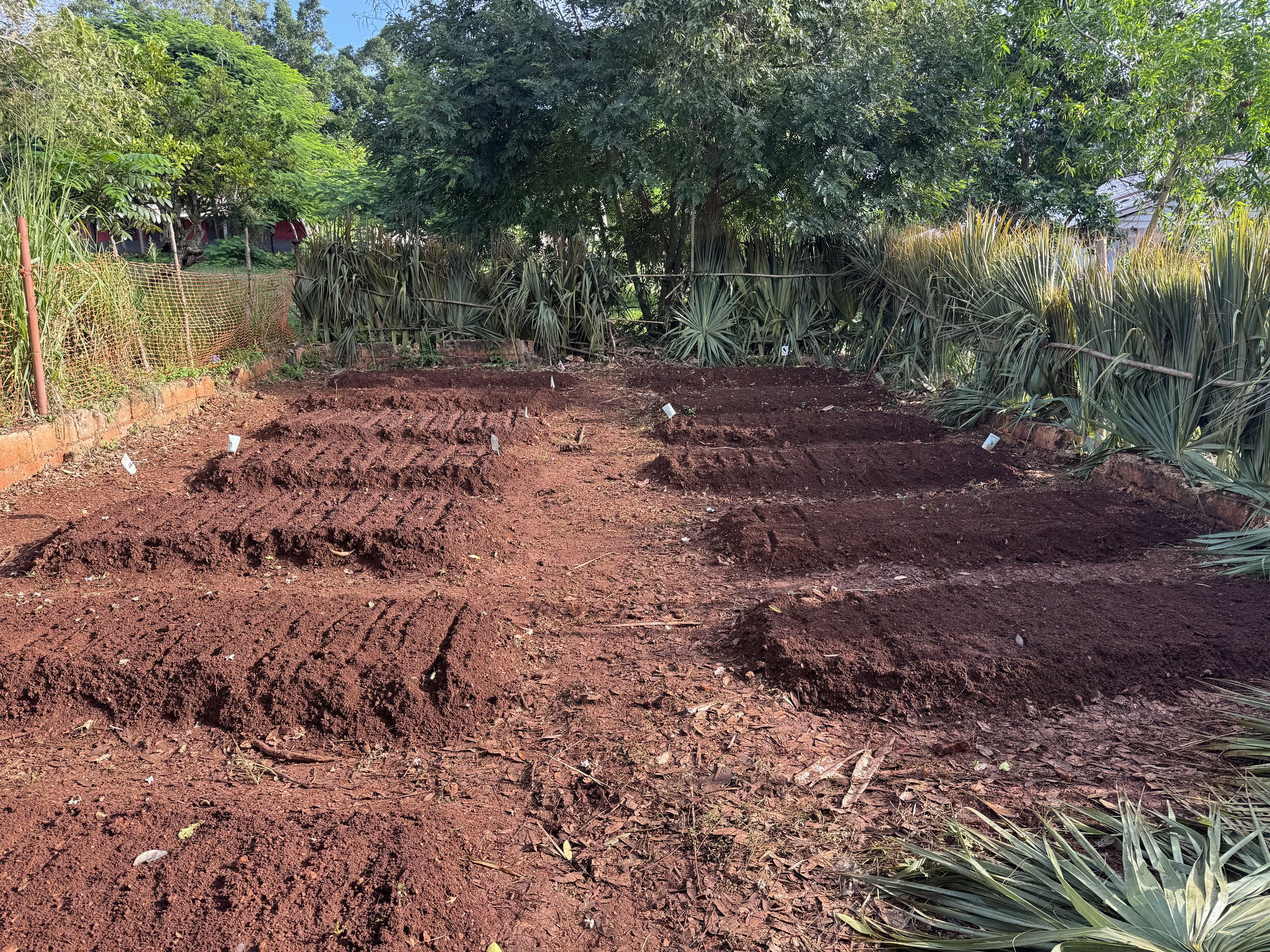
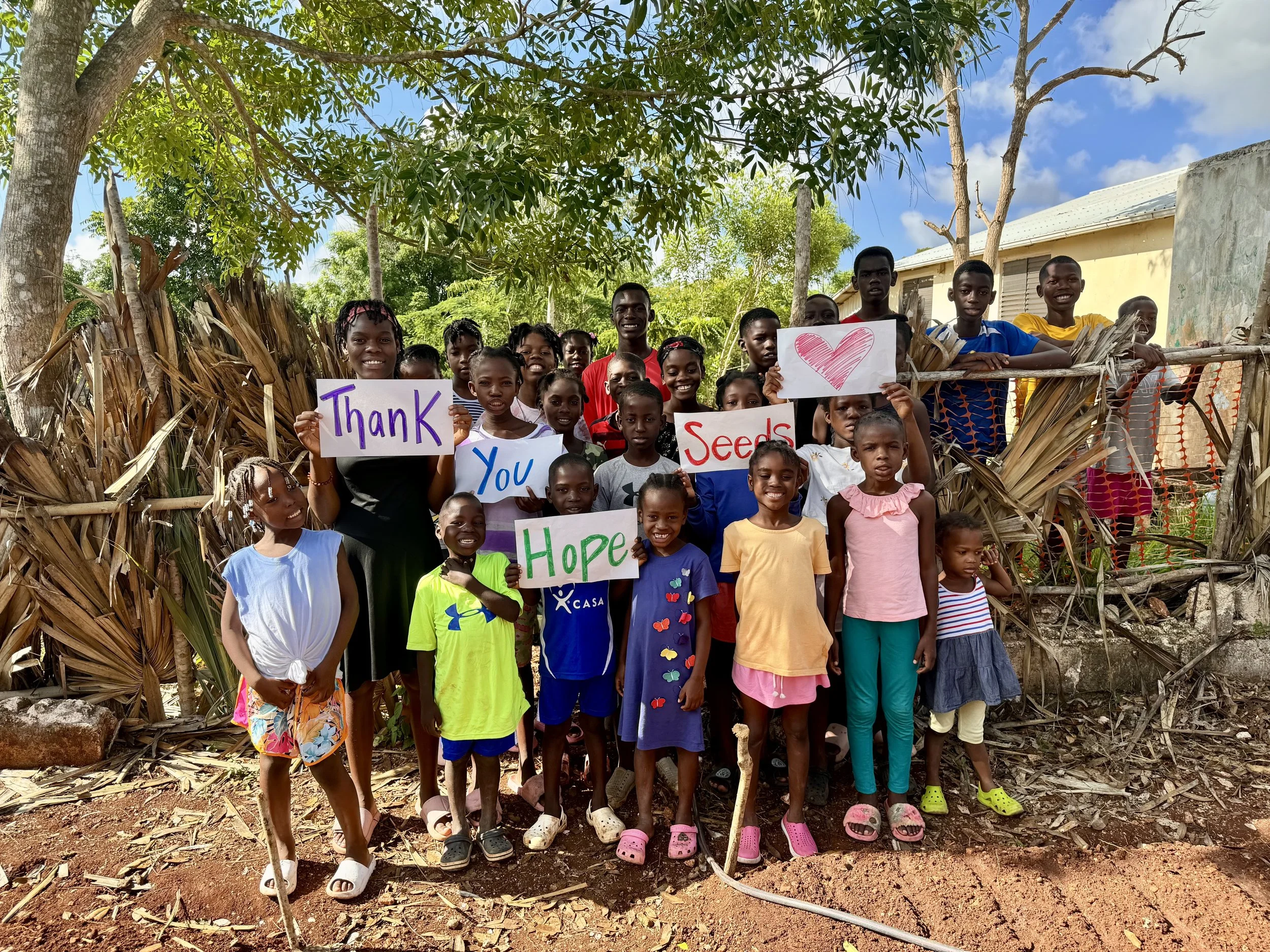
For years, we have done our best to plant and harvest our own potatoes, corn, and vegetables. Yet each season, we find ourselves tearing up the garden and starting over. The harsh environment makes it incredibly difficult to maintain consistent growth.
One of our goals is to build a greenhouse and install a proper irrigation system to ensure that all the effort put into preparing the land and planting seeds will finally bear fruit. We now have 24/7 access to water on our property through our pump, which makes an irrigation system very achievable—but due to many other pressing needs, we haven’t been able to complete it yet.
Our hope moving forward is to produce an abundance of nutritious food for our children, with enough left over to sell at the local market to help support Emmanuel Children’s Center.